
The month has come to an end. The month is done.
It is recommended to check the bank account of the restaurant.
The number you received wasn’t what you were hoping for.
For owners of restaurants, this disconnect can be frustrating because the cash flow and profit seem like they should tell the same story. Both of them don’t match together. A P&L evaluates the financial performance of a firm over a specific period of time, while accounts in banks show the exact time of money going into and out of the company.
Understanding the difference can alter the way a restaurant owner considers restaurant financials.
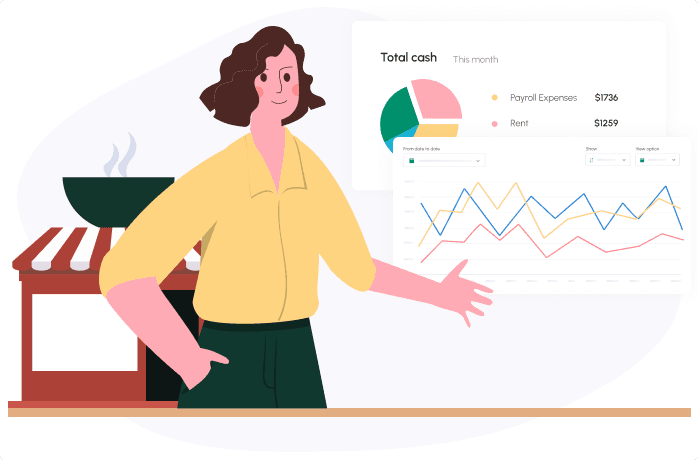
Have a look at what happens in a normal week. Customers pay for meals. Employers must be paid. The invoices for food and drinks are issued. Rent is close to being paid. Credit card deposits are also timed. Taxes on sales are collected but it comes with the responsibility.
The purchasing for the coming week has already begun.
If you just look at revenues or the final profit, then you will overlook a significant portion of this activity.
The Secret Could Be Hidden in the Prime Cost
Food, drink and labour costs are worth taking a closer review when the profitability of a restaurant begins to decline.
Prime cost is made up of both products and labor. The Bookkeeping Chef’s guidance puts prime costs at approximately 60% to 65 percent for a variety of restaurants and emphasizes monitoring on a weekly basis rather than staying until the end of of the month.
Effective primary cost management is less about focusing on one particular percentage, and more about noticing movement early.
Imagine that the restaurant normally is performing at a high level, but this week, it’s more of a percentage. Perhaps overtime was increased. Perhaps beverage costs remained stable as food costs rose. A higher proportion of food may lead the operator to review purchase, waste, menu mix, portions or vendor invoices.
The percentage is crucial. The answer lies in the restaurant’s activity.
Weekly reports allow for the discussion to continue even though everyone is aware of what’s happened.
The details will be more difficult for you to remember just a few days later.
When the vendor invoices arrive
A restaurant could purchase the ingredients this week but have to pay for these items later. Because of this, it is the case that knowing profits alone will not address all cash issues.
Vendor invoices should be recorded, received and tracked before being paid. This can be quite a task in an organization with many suppliers.
Automating the process of paying bills helps manage this process by reducing repetitive handling of bills and payment information. The bookkeeping system that is connected to the internet can provide the user with a more clear picture of debts that haven’t yet hit the account of the bank.
That’s useful because a bank balance viewed in isolation can look healthier than the restaurant’s actual near-term position.
There could be $80,000 in the bank account at present. The figure of $80,000 means tiny if rental, vendors or payroll take an enormous amount over the next few days.
That leads naturally to cash flow forecasting.
Instead of asking “How many dollars of cash are we carrying?” the better question is “What could be the fate of our cash following the money we expect to receive and the obligations we are already aware about?”
It is essential to be aware of the difference between them when deciding whether this week is the best moment to upgrade equipment, buy additional products or save liquidity.
The Money You Received Could Not Be Yours
The example of sales tax is a good example.
Restaurants collect money from their customers, which they have to follow according to the tax requirements. If these dollars are mentally combined with normal cash flow, the bank balance may give an inaccurate impression of how much money is available.
Consistent records help restaurants comply with sales tax regulations while also providing management an accurate view of their finances.
It is for this reason that restaurant accounting works better when financial responsibility isn’t separated from other responsibilities.
Prime cost affects margin. COGS (cost of goods sold) and future payments are affected due to purchases from vendors. Payroll is a factor that affects both cash and labor percentage. The availability of cash is influenced by sales tax. P&Ls record financial performance while forecasting allows management to look ahead.
The pieces are joined.
Bookkeeping Chef assists in bringing these elements together, using restaurant-specific reports and system integrations. Bookkeeping outsourcing can benefit owners who do not wish to spend the night manually reconciling their financial data.
It’s the final part that matters.
The idea isn’t for owners of restaurants to stop looking at the books because somebody else handles them. Owners should receive information that helps them be aware of what’s happening.
So when the P&L indicates that the restaurant made cash, yet the bank account is feeling a little unbalanced, don’t think that some of the figures must be wrong.
What happened between the two?
The answer to that question will reveal far more about your restaurant than any other number could on its own.