
The color can be just what the buyer wanted, but several hours in the wig exposes a problem with cap comfort. A second buyer likes the convincing hairline, yet would rather avoid a twenty-minute lace adjustment routine each morning. For a third buyer, the appearance is not the issue. It is the unexpectedly heavy feel created by the wig’s density.
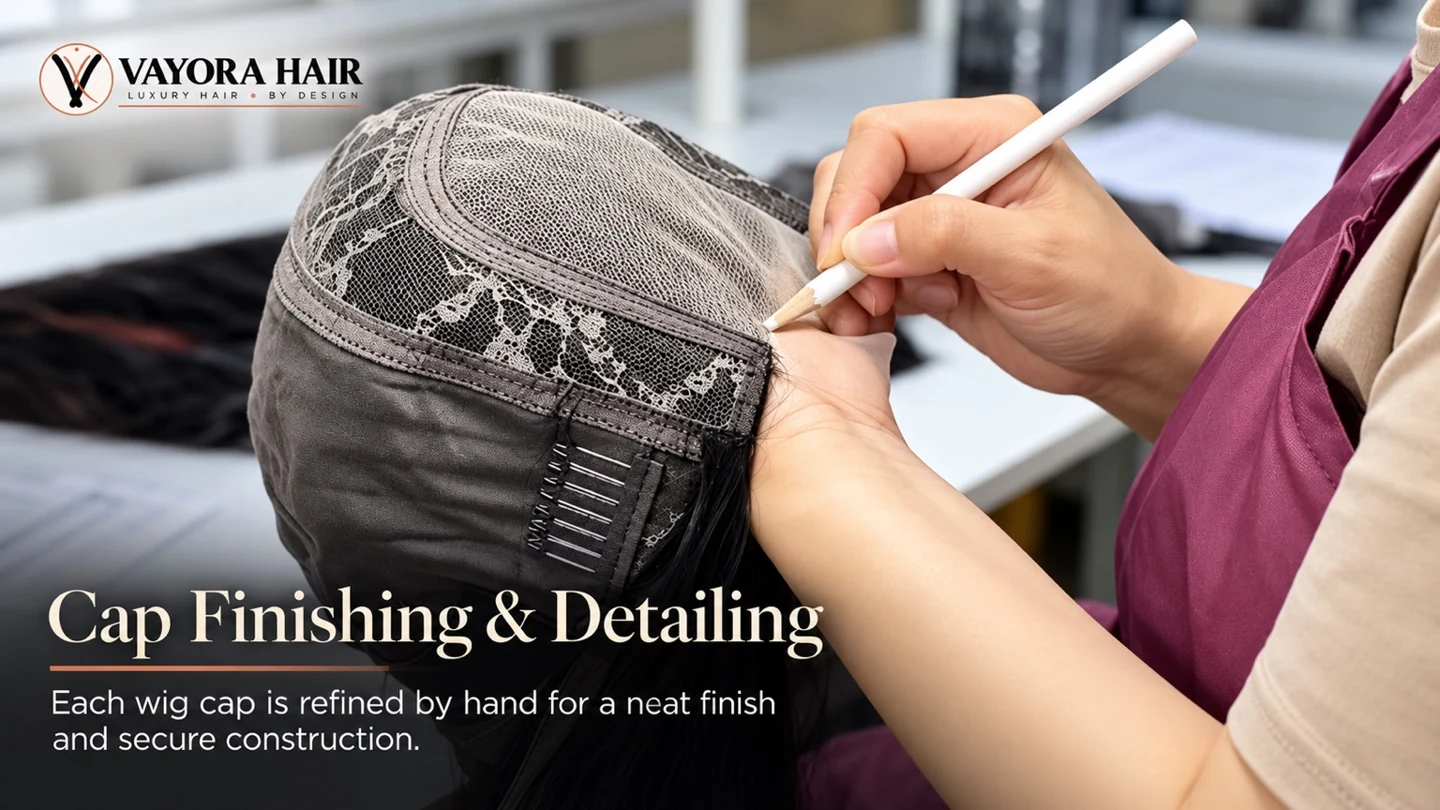
Image credit: vayorahair.com
For a wig brand, these comments are more than customer feedback. They reveal opportunities to develop products people will genuinely enjoy wearing.
Successful wig collections aren’t necessarily built around the latest viral hairstyle. The foundation is a solid understanding of the experience customers seek that buyers value.
Pay Attention to the Order
Buyers do not usually use production terminology to explain what they need. Comfort during wear, how convenient it is to use, how it looks and how confident the wearer feels are what customers describe. A glueless construction could be one response to feedback about reducing the effort of the morning routine. An unnatural-looking hairline may signal a problem with the appearance of the lace, the treatment of knots, density, or the way the part is designed.
A human hair wig manufacturer China brands work with should be able to translate these everyday concerns into measurable product specifications.
A request for a 22-inch body-wave wig can go well beyond length and texture: buyers can specify how the wig should feel when worn, cap fit, lace construction, hairline appearance, and finished weight. The development process benefits from having a clearer set of objectives.
Create a Recognizable Private Label Collection
Rather than defining their own range, many emerging brands rely on the styles that are popular today. Such an approach can leave the brand with a range that looks strikingly like competitors’ offerings.
To build a more consistent identity across its products, a brand can collaborate with a private label wig manufacturer China retailers work with. A brand could focus on lightweight daily-wear wigs, premium natural-hairline designs, or ready-to-wear styles for customers who favor a simpler preparation routine. The shared customer commitment should guide texture, length, color, density, cap construction, and packaging. A distinctive product range can encourage repeat visits for reasons other than a temporary discount.
What to Consider in Glueless Wig Construction
The simple description “glueless” does not capture the structural features that determine the wearing experience. Everything from cap sizing and adjustment features to attachment components, lace preparation, and hairline design helps determine how securely and comfortably the unit fits.
A glueless wig manufacturer China buyers choose should help clarify these requirements before production begins. For a range intended for people purchasing their first wig, the priorities may include manageable density, pre-cut lace, and straightforward adjustments. The customization requirements for a professional stylist’s collection may be different. It would be a mistake to assume that one design direction is automatically preferable. The two approaches address the needs of different customers.
Protect Your Brand’s Reputation Through Sampling
Even a detailed photograph provides only part of the information about a wig. Buyers need to examine how the cap fits, how the hair moves, whether the color matches expectations, and whether the finished construction reflects the approved design. Sampling provides an opportunity to identify differences before placing a larger order.
Repeat production makes documented specifications and quality-control procedures particularly important for a wholesale human hair wigs supplier. The success of the first batch may be hard to reproduce without well-established references.
Build a Collection That Can Grow
VAYORA supports B2B wig brands, retailers, and distributors through product development, private label services, sampling, specification control, and repeat-production workflows. Its approach connects customer expectations with the physical details that determine how a wig looks, fits, and feels.
Prior to expanding a product range, brands should review customer feedback, identify their strongest product opportunities, and set clear approval standards. A well-received future range might not depend on adding more styles. The greater opportunity may lie in reducing trade-offs in existing desirable styles.