
It’s typically a modest start. There are a handful of Raspberry Pi devices deployed for testing, perhaps in a lab, or perhaps a pilot project. In this moment the whole thing is easily manageable. It is possible to check devices manually, update them when needed and address problems as they arise.
Then things increase.
More devices get added. Diverse locations are added. It becomes difficult to keep the track of all devices and data. As time passes, companies start looking for more structured ways to maintain their systems. Often, they turn to solutions such as AWS devices management Raspberry Pi, which brings all of their systems under one roof.
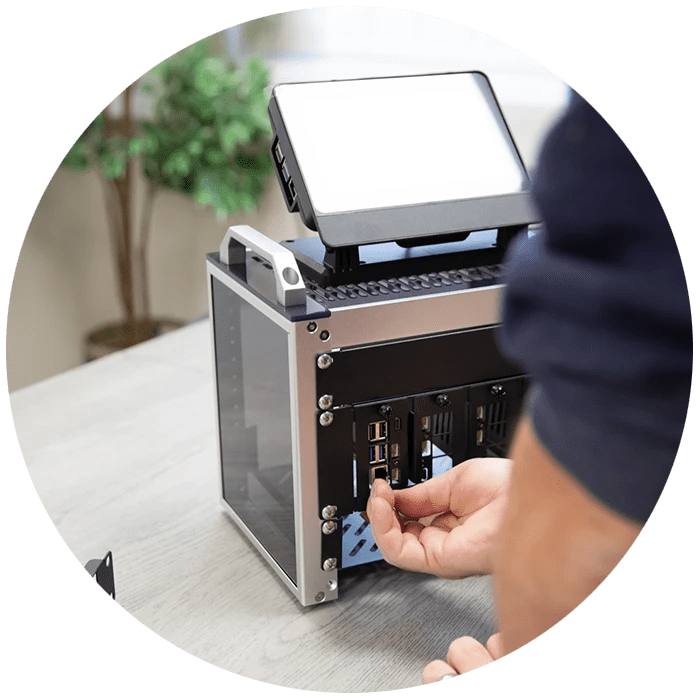
Growth is thrilling but if you don’t have the right system put in place, it could quickly turn into a challenge to manage.
Go beyond manual Oversight
Managing devices one by one might be effective for a small amount of devices however, it doesn’t scale. If deployments are increasing, teams must find the way to monitor their processes without needing to be able to handle every issue.
A Raspberry Pi device manager setup which is reliable can transform how teams interact with infrastructure. A centralized system allows you to review all devices simultaneously instead of doing so individually. The devices can be updated, configured, and monitored without physical access.
This shift creates a stable environment with fewer surprises.
The Freedom of Remote Access
Remote Raspberry Pi connection is a significant change to the way modern devices are managed. This feature eliminates the need to physically be present, which can save hours of time, especially when devices are distributed across various places.
Remote access allows teams to troubleshoot problems immediately, share updates and modify configurations rapidly. By using a single dashboard you can complete tasks that once required on-site or support for travel.
This level brings with it a flexibility essential to growing systems.
See Everything As It Happens
Knowing that devices are working is not enough. knowing how they’re operating in real time is what makes systems truly solid.
With the ability to monitor and manage Raspberry Pi and IOT device management, teams can track the performance of devices, detect irregular behavior, and take action before small issues turn into major disruptions. This visibility encourages a more proactive approach rather than one that’s reactive.
When systems are constantly monitored, they become more predictable and manageable.
Tools that Make it easier
As device networks continue to grow, their complexity grows. Without the right tools, managing upgrades, configurations and performance can be a challenge.
These tasks can be simplified through modern Raspberry Pi device management software. They automate routine processes offer clear information, and make sure that devices stay at a constant pace with the goals of operation.
Instead of spending time on repetitive task, teams can concentrate on improving the efficiency of their systems and enhancing their capabilities.
Building Systems that Grow with You
Scalability is a key aspect of managing devices. It is vital for device management. A system that can manage ten devices, will be able to handle hundreds, or perhaps thousands.
AWS device management Raspberry Pi allows businesses to build systems that can expand without losing their structure. Each device will be part of a larger network rather than adding additional complexity. This allows the growth process to feel more controlled than chaotic.
Stability is maintained as systems grow
Growing can bring new dangers. There are more devices, which means more sources of failure, making stability an important factor.
Being able to monitor and control Raspberry Pi management and IOT devices, systems will remain stable as they grow. Troubles can be detected earlier, updates can always be made, and performance ensured throughout the network. This stability is what allows companies to rely on their systems with confidence.
How can you manage devices in a smarter way
Device management doesn’t need to be overwhelming. If the right framework is set large deployments can also be managed efficiently.
Being able to connect to Raspberry Pi remotely, use advanced Raspberry Pi device management tools, and rely on systems like AWS IOT device management Raspberry Pi transforms how businesses operate. What was once a challenge is now manageable. And what required constant attention has been simplified.
ScalerPi is focused on facilitating this transition and assisting businesses in moving from chaotic setups to system that can be scalable.
A solid and consistent management strategy is essential to ensuring long-term success when more companies embrace IoT technologies and edge technologies.